What Is Inositol? How Much for PCOS?
For women with PCOS, inositol supplementation has been shown to be very helpful.
It is a nutritional compound that has nine different forms. The most well-known and nutritionally active form is "myo-inositol", which most people simply refer to as "inositol".
It is a necessary component of the membranes of your cells and is vital to many biological processes in your body. It is a precursor to a number of essential "signaling molecules" that instruct cells how to behave.
Free PCOS Newsletter
Inositol is a necessary component of certain "signal transduction systems" in your body. A signal transduction is a mechanism that converts a biochemical stimulus to a cell into a specific cellular response.
In other words, it is necessary for the regulation of the behavior of your cells. Some of its effects are related to activation of serotonin receptors, which could relieve depression and improve appetite balance. Serotonin is a brain chemical with several important functions in the body, including mood and appetite regulation.
It also helps to transport fat from the liver. Women with PCOS, especially those who are overweight, tend to have a fatty liver disease called NAFLD. Inositol can help to relieve this fatty liver degeneration.
A problem that PCOS women have is a urinary loss of inositol that is significantly greater than other women. Therefore, it's logical to think that you need to consume more inositol in order to offset the urinary loss.
Where Does Inositol Come From?
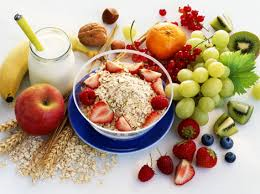
Bacteria in your intestines convert the phytic acid found in plant fibers into inositol, so your body is able to manufacture its own supply of inositol. Phytic acid can be found in fruits, vegetables, legumes, whole grains and nuts.
You can also obtain dietary inositol from animal foods such as beef heart, beef liver and eggs.
Inositol is commonly available as a nutritional supplement.
Dietary consumption is about one gram daily. The amount of dietary inositol can influence its level in the body and thus may influence biological processes. Inositol supplements can have anti-depressant and anti-anxiety tendencies.
D-Chiro Inositol, d-Pinitol and PCOS
There are two other forms of inositol that appear to help people deal with insulin resistance: d-chiro inositol, and d-pinitol. Both substances are found naturally in legumes and other plant material. For example, d-chiro inositol is found in buckwheat. In one study, consumption of buckwheat concentrate reduced excessively high blood sugar levels and reduced the excretion of d-chiro-inositol in diabetic rats.
A few studies have suggested that d-chiro inositol may reduce symptoms of polycystic ovarian syndrome in overweight women.
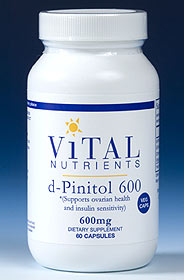
A closely related substance is d-Pinitol. Its chemical name is "3-O-methyl- D-chiro-inositol".
It can reduce blood sugar levels, and protect your pancreas (which produces insulin and other essential hormones and digestive enzymes). It is also reduces inflammation.
Precautions
There are no contraindications for inositol. Supplementation is generally well tolerated. Gastrointestinal effects such as nausea or diarrhea are occasionally reported with high doses. No toxicity has been reported.
Due to a lack of long-term safety data, it's unknown whether it should be avoided by pregnant women and nursing mothers. One review article suggested that it may stimulate uterine contractions, although no research has demonstrated that inositol actually has this effect.
It's theoretically possible that inositol could worsen hypomanic or manic symptoms of bipolar disorder, so people with this condition should check with their doctor before using supplemental inositol in large doses.
Theoretically, high-doses may increase the effects of anti-depressant selective serotonin reuptake inhibitors (SSRI drugs) such as fluoxetine sertraline, paroxetine, fluvoxamine and citalopram, and with 5-hydroxytryptamine receptor agonists, such as sumatriptan. If you are taking antidepressant drugs, consult with your doctor before taking this supplement in large doses.
Dosage for PCOS Health
According to the evidence we've seen, some PCOS women appeared to get some benefit from a dose of only 200 mg. daily, which is a very moderate amount.
In some studies, women took 2,000 mg or 4,000 mg. daily to get results. As much as 12 grams (12,000 mg.) has been used in studies to treat depression or panic attacks.
Some doctors may recommend 1,000 mg. daily.
200 mg. - 1,000 mg. per day appears to be quite safe. A considerably higher dose may be appropriate for some people.
The least expensive way to get supplemental inositol is to take it as a powder because you may need to take quite a bit of it to get the desired effect. One teaspoon of powder is about 4,000 milligrams.
Related Inositol Articles
- Helps Ovulation and Egg Quality
- Reduces Acne, Hirsutism, Testosterone, Insulin Resistance
- Lowers Inflammation
- Helps Older Women
- What Is It? Precautions, Dosages

E-Books to Help You Manage PCOS

Get Answers to your Questions about
- Fertility
- Weight Control
- Hair Loss
- Stress
- Unwanted Hair
- Acne...and more!
FREE PCOS Report
and Newsletter
Your email is safe with us. We respect your privacy, and you may unsubscribe at any time.
Recent Articles


-
PCOS Long Journey to The Happy End
Apr 30, 18 07:24 PM
Hi Girls, Maybe my story will have one day a good end but I am not there yet. Until I was 31 years old I lived my dream, having lovely husband, good -
PCOS and Miscarriage
Apr 17, 18 04:03 PM
Proper diet and natural supplements can help the body maintain a pregnancy through successful delivery.
-
How to Deal with PCOS and Stress
Apr 04, 18 04:19 PM
Your body has a natural capacity to heal itself if you provide it with the necessary tools.