Conventional Female Hair Loss Treatment and PCOS
Treatment of female hair loss and androgenic alopecia in women who have PCOS (polycystic ovary syndrome) is difficult because the conventional treatments are often ineffective. Here are a few ideas for conventional medical treatment.
Rogaine - Minoxidil
The only FDA-approved drug for treating female pattern baldness is minoxidil (brand name is Rogaine), which is applied to the scalp.
A 2% concentration is often used when treating women. Minoxidil may help hair to grow in one of every five women. In the majority of women, it may slow or stop the loss of hair. But don't expect immediate results. It could be six months up to one year before you notice improvement. Also, the drug is expensive. If you stop taking minoxidil, your hair loss is likely to start again.
A 5% concentration is available, which has been verified to be safe for men but has not been approved by the FDA for treating women. There is some research evidence to indicate that the 5% concentration is more effective in retarding androgenic alopecia in women and in regrowing hair than the 2 % concentration.
Androgenic alopecia is a type of hair thinning caused in part by excessive amounts of dihydrotestosterone, which is an active form of testosterone.
A recent German study of women with androgenetic alopecia showed that 5% minoxidil applied once a day is just as effective as the 2% solution applied twice a day.
The 5% concentration is available for women with a doctor's prescription. Ask your doctor about this.
Propecia - Finasteride
Finasteride (brand name Propecia) is used mostly for treating male hair loss. It blocks an enzyme that leads to increased testosterone production, which is primarily responsible for androgenic alopecia in both men and women. Finasteride is similar to saw palmetto in this respect.
Your doctor may prescribe finasteride for female pattern hair loss or hirsutism. Some medical evidence suggests that saw palmetto extract may be as effective as finasteride.
Hair Transplants
Hair transplantation involves removal of very small plugs of hair from areas of the scalp where the hair is actively growing. The plugs are placed in areas where the hair is thinnest.
Transplantation may cause minor scarring in the areas from which the plugs were taken. There is also a slight risk of skin infection. The procedure usually requires multiple transplantation sessions and may be very expensive.
Results vary with the individual. Men get better results than women do.
Wigs, hair weaving, changing your hairstyle or using camouflage are ways to make thin spots less obvious.
Get Assistance from a Doctor
A necessary part of coming to grips with hair loss and PCOS is to consult with a knowledgeable physician.
An experienced medical doctor who understands the dynamics of hair growth is an option to explore.
Another option is a licensed naturopathic doctor. These doctors can take the time necessary to evaluate your organ systems and lifestyle habits. This approach can be effective because female pattern hair loss is often due to hormonal and other imbalances in your ovaries, liver, gastrointestinal tract, or your adrenal, hypothalamus, thyroid or pituitary glands.
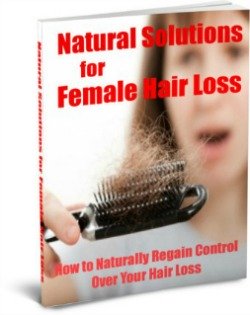
PCOS-related female hair loss is not something you "have to live with". There's plenty you can do to take care of this nagging and very distressing problem, as discussed in the Natural Solutions for Female Hair Loss e-book.
This e-book reviews 16 medications besides minoxidil, in addition to dozens of other things you can do to help yourself deal with this difficult problem.
Related Articles
- Loss of Hair - What You Need to Know
- What Causes Thinning and Loss?
- Natural Treatments for Healthier Hair
- 25 Burning Questions Answered - Part 1
- 25 Burning Questions Answered - Part 2

E-Books to Help You Manage PCOS
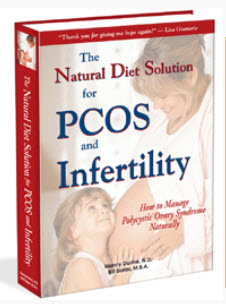
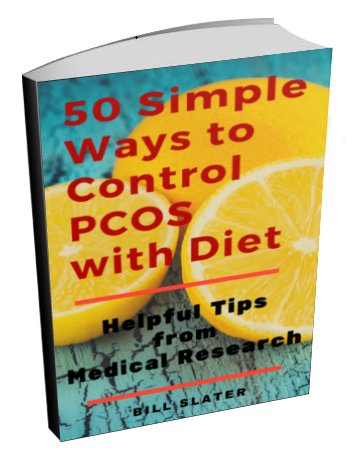
Get Answers to your Questions about
- Fertility
- Weight Control
- Hair Loss
- Stress
- Unwanted Hair
- Acne...and more!
FREE PCOS Report
and Newsletter
Your email is safe with us. We respect your privacy, and you may unsubscribe at any time.
Recent Articles


-
PCOS Long Journey to The Happy End
Apr 30, 18 07:24 PM
Hi Girls, Maybe my story will have one day a good end but I am not there yet. Until I was 31 years old I lived my dream, having lovely husband, good -
PCOS and Miscarriage
Apr 17, 18 04:03 PM
Proper diet and natural supplements can help the body maintain a pregnancy through successful delivery.
-
How to Deal with PCOS and Stress
Apr 04, 18 04:19 PM
Your body has a natural capacity to heal itself if you provide it with the necessary tools.