PCOS and Acanthosis Nigricans (Dark Skin Patches)
It's estimated that approximately 5% of women with PCOS have a condition called "acanthosis nigricans".
It's a skin disorder having darkish, velvety skin in body folds and creases, especially the neck, groin or armpits. Sometimes, the lips, palms, soles of feet, belly button or other areas may be affected. Skin tags are often present.
Free PCOS Newsletter
Acanthosis nigricans usually appears slowly and doesn't cause any symptoms beyond the skin.
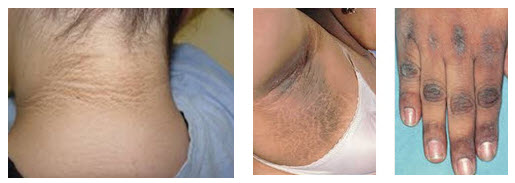
Acanthosis nigricans is typically classified into 2 types: benign (not cancerous) and malignant (cancerous).
People with the malignant form of acanthosis nigricans tend to be thin and over 40 years of age, and their eruption is of recent origin. Abdominal adenocarcinoma is the most common cancer associated with malignant acanthosis nigricans.
Most individuals have the benign form and may be very overweight or obese. Some also have chronic diseases such as polycystic ovarian syndrome, Cushing's syndrome or diabetes. Acanthosis nigricans has also been linked to genetic diseases and drug reaction (nicotinic acid, for example).
The presence of acanthosis nigricans is a predictor of abnormal glucose tolerance in women who have PCOS. If this describes you, then you need to change your diet and increase your exercise in order to improve your blood sugar control and normalize your insulin levels.
Insulin Resistance Is a Cause of Acanthosis Nigricans and PCOS
The most common cause would be insulin resistance, or the body's inability to efficiently utilize the hormone insulin. Insulin resistance is also a leading cause of polycystic ovary syndrome.
Obesity can lead to acanthosis nigricans, as can many endocrine disorders such as polycystic ovary syndrome. Acanthosis nigricans is frequently found in people with diabetes.
Some drugs, such as human growth hormone or oral contraceptives, may also contribute to acanthosis nigricans.
People with cancers of the gastrointestinal or genitourinary tracts or with lymphoma may develop acanthosis nigricans.
It is more common among people of African descent.
Treatment
Local treatment of the affected skin is not very effective. However, Retin-A, 15% urea, alpha hydroxyacid, and salicylic acid are some medications that may provide some relief.
If you have polycystic ovary syndrome and acanthosis nigricans, you probably also have insulin resistance and are likely to be overweight. The most effective long term treatment for this combination of symptoms is to improve your diet, get more exercise, reduce chronic stress, and take selected nutritional supplements as indicated.
You can also take medications such as metformin.
A diagnostic workup with your doctor is also advisable to rule out the possibility that a tumor may be involved.
Learn more about acanthosis nigricans here.


E-Books to Help You Manage PCOS

Get Answers to your Questions about
- Fertility
- Weight Control
- Hair Loss
- Stress
- Unwanted Hair
- Acne...and more!
FREE PCOS Report
and Newsletter
Your email is safe with us. We respect your privacy, and you may unsubscribe at any time.
Recent Articles


-
PCOS Long Journey to The Happy End
Apr 30, 18 07:24 PM
Hi Girls, Maybe my story will have one day a good end but I am not there yet. Until I was 31 years old I lived my dream, having lovely husband, good -
PCOS and Miscarriage
Apr 17, 18 04:03 PM
Proper diet and natural supplements can help the body maintain a pregnancy through successful delivery.
-
How to Deal with PCOS and Stress
Apr 04, 18 04:19 PM
Your body has a natural capacity to heal itself if you provide it with the necessary tools.