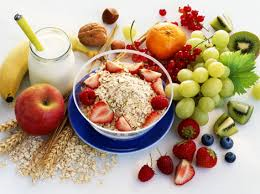
Nine Ways NAC Could Help You Control PCOS
Women who have PCOS and use the nutritional supplement NAC (n-acetyl-cysteine) may benefit in several ways, according to medical studies. Research indicates that NAC has a number of possible benefits:
- Improves fertility and probability of ovulation.
- Reduces undesirable insulin resistance (the inability to utilize insulin efficiently).
- Reduces consequences of fatty liver disease.
- Reduce pregnancy complications such as preeclampsia by reducing toxic AGEs.
- Protects you and future baby from toxic exposure.
- Provide antioxidant protection to your reproductive system and support egg quality.
- Lowers troublesome homocysteine levels in your blood.
- Reduces inflammation.
- Improves detoxification
"I just wanted you to know that you sent me informtion about the supplement NAC and I tried it. I have been taking it since the last week in December and today is January 30th. I have been having problems having a menstrual cycle on my own and have been diagnosed with PCOS. My problems have been going on for years now, at least 10.
Yesterday my period started on its own for the first time in years. It has to be this NAC. I also have been taking chromium but not faithfully like the NAC. I will continue to take it and see what happens next month. I have been trying to get pregnant for years and I really had given up hope. Not only did I want to get pregnant but I just wanted to be healthy.
This has given my renewed faith and thank you for the information. I will definitely let you know if I get pregnant." -- Pam
What is NAC?
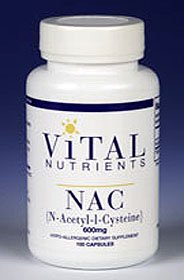
NAC (n-acetyl-cysteine) is a stable derivative of the amino acid cysteine. It has antioxidant properties and is required for the body's production of glutathione. Glutathione, along with NAC, are powerful antioxidants. Adequate antioxidants are essential for protecting your cells from damage, especially if you have PCOS. Women with PCOS tend to need more antioxidants because they are under increased oxidant stress.
NAC is commonly used for these health problems: liver toxicity, acetaminophen poisoning, chemotherapy, detoxification, respiratory problems, heart disease, gallstones, and excess mucus production. However, NAC also has some value for polycystic ovarian syndrome.
NAC is not found in the diet but is available as a nutritional supplement. It is also available as a FDA-approved prescription drug.
NAC Improves Ovulation and Fertility in PCOS Women
In several medical studies, NAC has been used with Clomid with good results. Clomid (clomiphene) is used to stimulate ovulation and is often the first thing your doctor will give you if you are trying to conceive. However, some women are "resistant" to Clomid and it does not work. So anything that reduces insulin problems and makes Clomid more effective is worth considering.
A medical study has shown that supplemental NAC is helpful for women with polycystic ovary syndrome who are trying to conceive and want to reduce risk of miscarriage.
In this study from Assiut University in Egypt, 60 Clomid-resistant women with the disease were treated. "Clomid resistant" means that the women took the drug Clomid to induce ovulation, but the Clomid treatment did not work.
They then received ovarian drilling. Ovarian drilling is a surgical procedure in which a laser fiber or electrosurgical needle punctures the ovary 4 to 10 times. This treatment may lower the level of male hormones such as testosterone.
After the ovarian drilling, the women were divided into two groups. One group took supplemental NAC while the other group took a placebo for 5 days starting at day 3 of the cycle, for 12 consecutive cycles.
By the end of the study, the NAC group had a significant increase in both ovulation and pregnancy rates vs. the placebo group.
Moreover, miscarriage rates were significantly lower and live birth rates were significantly higher in the NAC group.
This study confirms earlier studies indicating NAC is a supplement that has value for women who have polycystic ovary syndrome.
How to Save Money on Supplements for PCOS
Click Here!
In another study, researchers at Mansoura University in Egypt said that
"N-acetyl cysteine is proved effective in inducing or augmenting
ovulation in polycystic ovary patients", according to their new study.
In
this study, 470 PCOS women were given Clomid (clomiphene citrate) for
one menstrual cycle and then given Clomid plus NAC for another cycle.
The women took 1,200 mg of NAC for 5 days starting on day 3 of the
menstrual cycle.
With Clomid alone, the ovulation rate was 17.9%
but when the NAC was added, the ovulation rate was 52.1%. Progesterone
levels and thickness of the uterine wall were reported to be also
improved.
This study confirms an earlier study that the
effectiveness of Clomid is increased when NAC is also taken. NAC is
regarded as safe and has no side effects. It also appears useful for
reducing insulin resistance, which is a big problem in polycystic
ovarian syndrome.
Related Articles
Return to PCOS Supplements Page
Sources:
Rizk, AY et al, N-acetyl-cysteine is a novel adjuvant to clomiphene citrate in clomiphene citrate-resistant patients with polycystic ovary syndrome. Fertil Steril. 2005 Feb;83(2):367-70
Nasr A, Effect of N-acetyl-cysteine after ovarian drilling in clomiphene citrate-resistant PCOS women: a pilot study, Reprod Biomed Online. 2009 Dec 14. [Epub ahead of print]
Badaway A et al, N-Acetyl cysteine and clomiphene citrate for induction of ovulation in polycystic ovary syndrome: a cross-over trial, Acta Obstet Gynecol Scand. 2007;86(2):218-22.

E-Books to Help You Manage PCOS
Get Answers to your Questions about
- Fertility
- Weight Control
- Hair Loss
- Stress
- Unwanted Hair
- Acne...and more!
FREE PCOS Report
and Newsletter
Your email is safe with us. We respect your privacy, and you may unsubscribe at any time.
Recent Articles


-
PCOS Long Journey to The Happy End
Apr 30, 18 07:24 PM
Hi Girls, Maybe my story will have one day a good end but I am not there yet. Until I was 31 years old I lived my dream, having lovely husband, good -
PCOS and Miscarriage
Apr 17, 18 04:03 PM
Proper diet and natural supplements can help the body maintain a pregnancy through successful delivery.
-
How to Deal with PCOS and Stress
Apr 04, 18 04:19 PM
Your body has a natural capacity to heal itself if you provide it with the necessary tools.